

Summary
Have you ever watched a detective at work and wondered how they figured everything out? It’s not just their ability to find clues—they’ve got a whole set of life skills that help them succeed. And the best part? Children can develop these same skills! By learning how detectives think and approach problems, children can build confidence and grow in their personality development.
Detectives teach us some valuable lessons about how to navigate the world. From understanding body language to solving tricky problems, these detective-inspired skills are exactly what these young learners need to thrive. Here are five essential life skills your child can learn from a detective:
1. Mastering Observation:
Detectives are pros at noticing tiny details that others don’t pick up on—whether it’s a small clue or a shift in someone’s body language. Children can build this skill by paying more attention to their surroundings and the people around them. Understanding how others feel, by noticing their body language or tone, helps children be more empathetic and connect better with friends.
How it helps:
Being observant teaches children to read the room, spot problems early, and approach situations thoughtfully. This sharpens their personality, making them more aware and confident in their interactions.
Read Ways to Develop Observational Skills and How it helps Children
2. Critical Thinking:
When detectives face a puzzle, they don’t rush to conclusions—they think it through. The same goes for young learners! Encouraging them to think critically and ask the right questions will help them solve problems on their own and make better decisions.
How it helps:
Critical thinking doesn’t just help with homework or school projects—it helps build personality by teaching children to approach challenges with confidence and independence. They’ll feel empowered to solve any problem that comes their way.
3. Clear Communication:
Detectives know that communicating clearly is crucial—whether it’s asking the right questions or sharing findings. For children, learning to express themselves well, listen carefully, and read body language can make a huge difference in building strong relationships.
How it helps:
Good communication is at the heart of everything. Children with strong communication skills can share their ideas, resolve conflicts, and express their feelings clearly, all of which help their personality development.
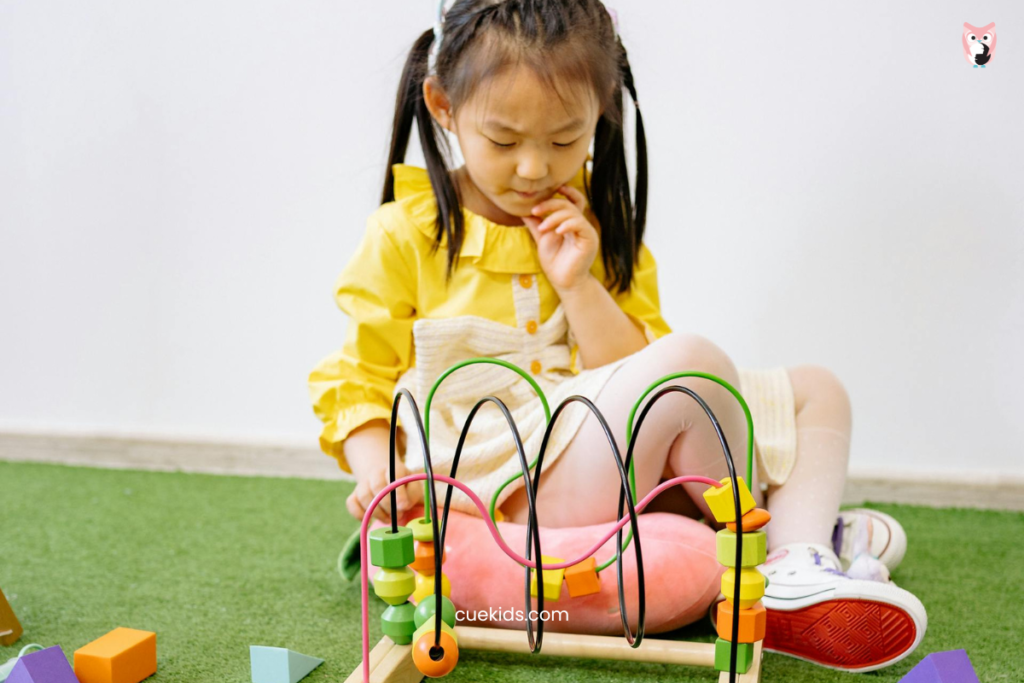
4. Problem-Solving
Detectives never give up after reaching a dead end—they adjust their approach, think outside the box, and find new solutions. Children can adopt the same mindset when they face challenges or setbacks. Teaching them problem-solving skills helps them stay resilient, bounce back from disappointments, and keep going even when things get tough.
How It Helps:
Problem-solving builds more than just skills—it boosts a child’s confidence and fosters a progressive attitude. By learning how to overcome obstacles, children develop the inner strength to face whatever challenges come their way, giving them the tools they need to grow and succeed.
5. Teamwork:
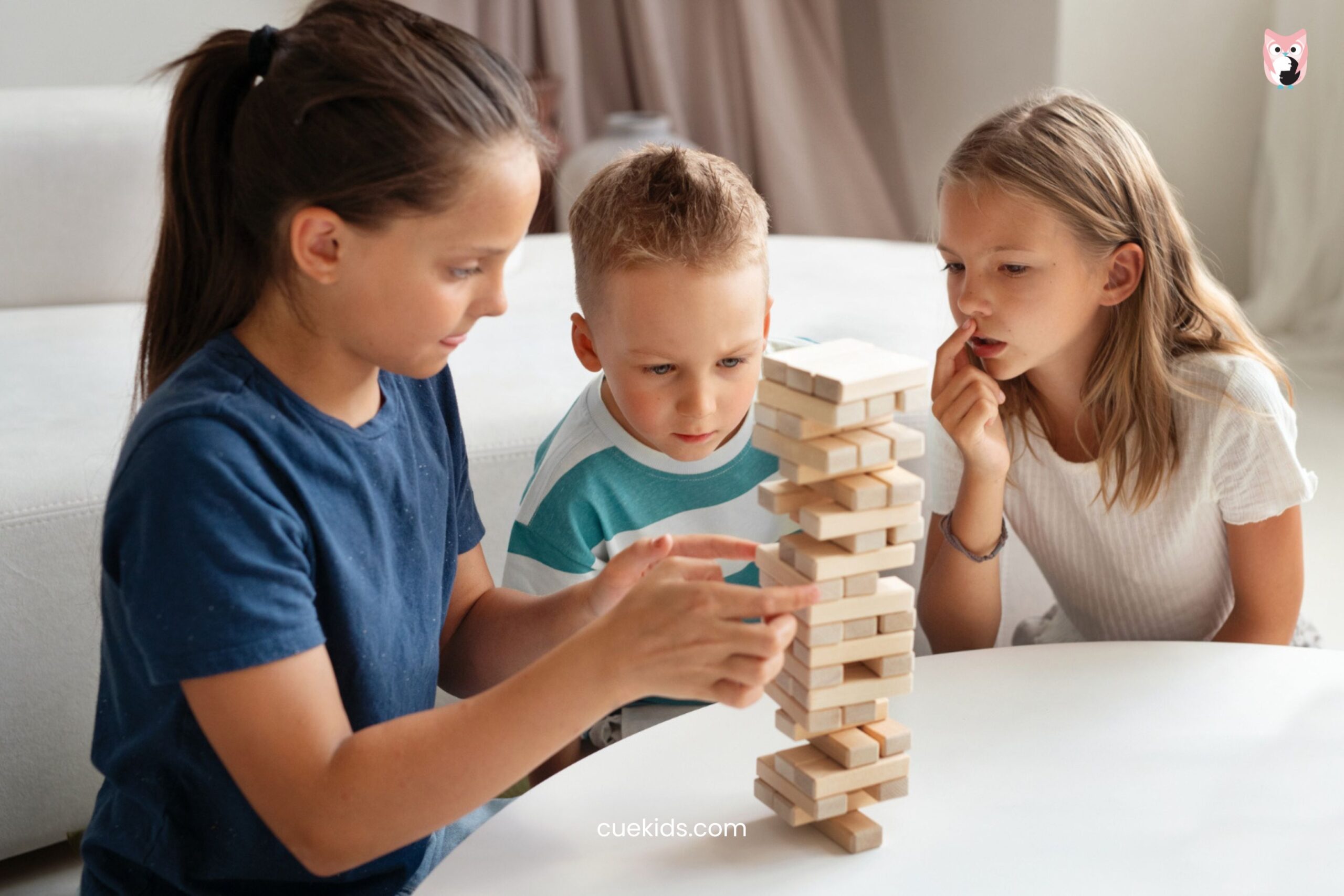
No detective works alone for long—they collaborate to solve the case. Children, too, can learn that working with others makes them stronger. Whether it’s a group project at school or playing sports, teamwork helps them understand the value of sharing ideas and respecting different viewpoints.
How it helps:
Teamwork teaches children to listen, communicate, and support each other, all while improving their social skills and building stronger relationships. This enhances personality development by fostering empathy and cooperation.
Know about CueKids Personality Powerhouse Program for Kids
Why These Skills Matter
Learning these detective-inspired skills is more than just fun—it’s about shaping children into confident, capable individuals. From solving puzzles to understanding body language and working well with others, these life skills and observation skills help children navigate life’s ups and downs with ease.
When children develop observation skills, critical thinking, and communication skills, they aren’t just learning how to solve problems—they’re growing into well-rounded individuals. So, encourage your child to think like a detective. Who knows? They might just surprise you with what they uncover!
Courses for Kids: CueKids’ Detective Module
What it is: A structured, activity-based group course that builds sharp observation and critical thinking in kids – helping them notice what others miss and make smarter sense of everyday situations and people.
Who it’s for: Children who tend to miss details, take things at face value, or struggle to figure out what’s really going on in a situation – and parents who want their child to become sharper, more attentive, and better at reading between the lines.
What it covers:
- Noticing details others overlook – in a classroom, at home, or among friends – and connecting them to figure out what’s actually happening
- Applying observation to decision-making and communication so they can develop people skills faster
- Thinking through evidence and inconsistencies before jumping to conclusions, building sound judgment over snap reactions
- Reading people and situations accurately, so they’re less likely to be misled, manipulated, or caught off guard
Format: Live, activity-based group sessions (details on age groups and schedule available on request)
How to start: Book a free trial, or contact CueKids directly at +91 70455 40534.
FAQ’S
When children learn to notice small details like tone of voice or body language they become more aware of what’s happening around them. This helps them understand others better, avoid misunderstandings, and respond thoughtfully instead of reacting quickly. Over time, they grow more confident in social situations and daily decisions.
Yes. When children learn to pause, ask questions, and think things through, they make better choices in friendships, challenges, and responsibilities. It builds independence because they don’t rely on others to solve every problem. They start trusting their own judgment.
Clear communication helps children express feelings, share ideas, and resolve small conflicts calmly. When they feel heard and know how to listen to others their relationships become stronger. This builds self-esteem and emotional maturity that lasts well beyond childhood.
Problem-solving teaches children not to give up when things get hard. Instead of feeling stuck, they learn to try a different approach. This resilience strengthens their confidence and prepares them to handle setbacks in school, friendships, and later in life.
Working with others teaches children respect, patience, and cooperation. They learn that different ideas can make a solution stronger. These early experiences help them build healthy relationships and become adults who can collaborate, lead, and contribute positively in any environment.






Leave A Comment