
Summary
Imagine your child stepping into the future – confident, articulate, able to work well with others, solve problems smartly, and think outside the box. Isn’t that the kind of foundation we all wish for them? In a world that’s evolving faster than ever, academic excellence alone is no longer enough. To truly thrive, kids need a strong set of life skills – ones that will shape their interactions, decisions, and overall success.
That’s where the 5 Cs come in – Confidence, Communication, Competence, Collaboration, and Creativity. These five essential skills are the building blocks of a well-rounded individual and play a key role in personality development. Let’s dive into why they are absolutely essential for every child’s growth.
Confidence: The Key to Facing the World
Confidence is like a child’s invisible armor – it helps them take on challenges, speak up, and believe in their abilities. Children who lack confidence may hesitate to try new things, voice their opinions, or stand up for themselves. But when they build confidence early, they grow into adults who are unafraid to take risks and seize opportunities. Whether it’s raising their hand in class, making new friends, or standing up for what’s right, confidence sets the foundation for a strong and independent personality. Developing confidence is a crucial part of personality development, shaping how children engage with the world around them.
Communication: The Art of Expressing Oneself
From sharing ideas to resolving conflicts, communication is at the heart of everything we do. A child who can express their thoughts clearly and listen actively will always have an advantage in life. Whether they are in school, at a social gathering, or later in a professional setting, strong communication skills help them build meaningful relationships and make a lasting impact. It’s not just about speaking well – it’s about being understood, understanding others, and navigating conversations with ease. Effective communication is one of the cornerstones of personality development, as it helps children become more articulate, empathetic, and socially confident.
Competence: Mastering Skills for Success
Competence is about more than just knowledge – it’s the ability to apply what one knows effectively. When children develop competence, they gain confidence in their skills and become more independent in handling tasks. Whether it’s mastering math, sports, problem-solving, or social skills, competence ensures that children are well-prepared to tackle the real world. It instills a sense of responsibility and encourages lifelong learning, ensuring they continue to grow and improve. A child’s competence contributes significantly in developing their personality, making them more self-reliant and adaptable.
Collaboration: Learning to Work Together
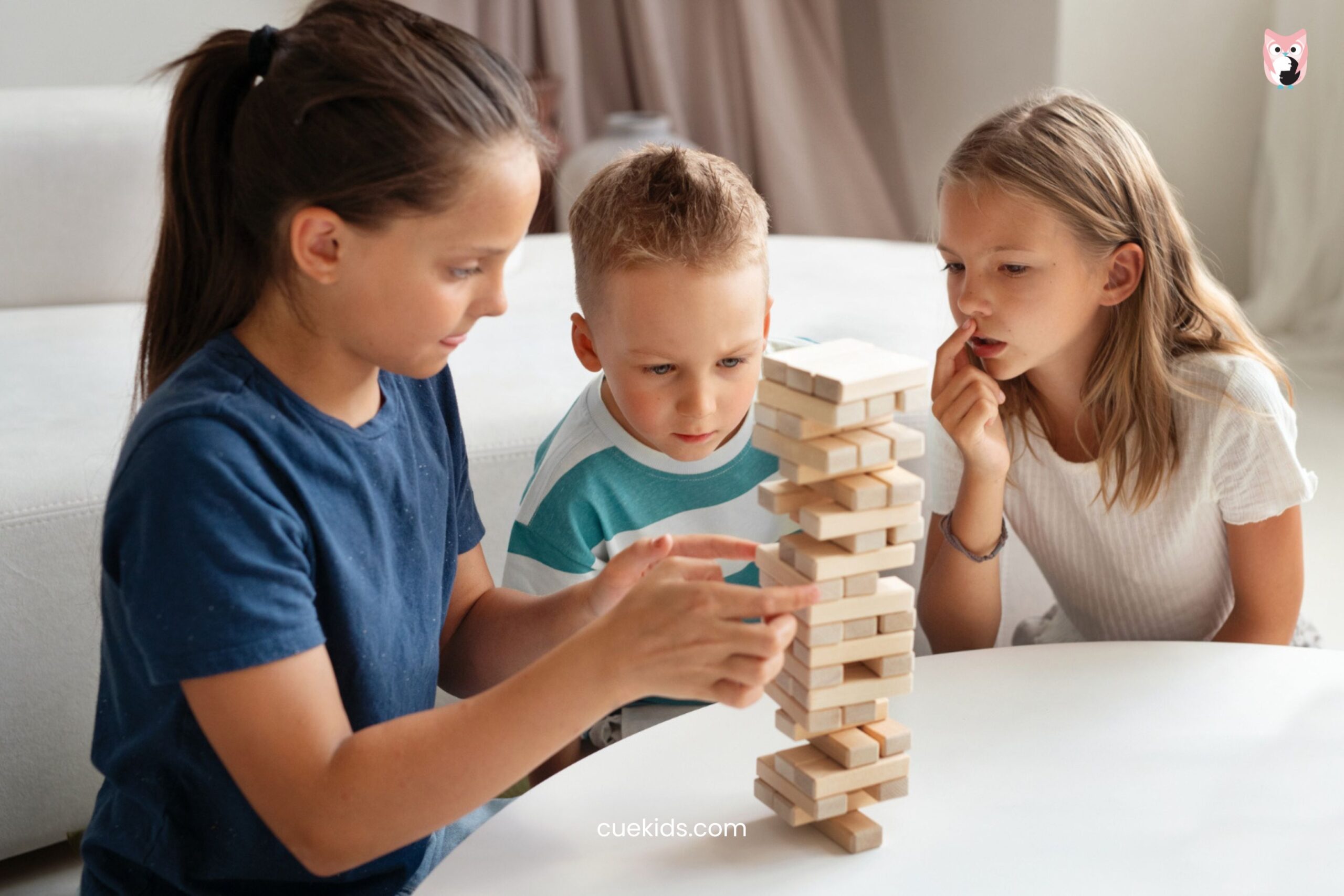
Collaboration teaches children how to work well with others, respect different perspectives, and contribute to a team. When kids understand collaboration, they learn patience, empathy, and adaptability – traits that will help them in friendships, group projects, and eventually, their careers. Teamwork teaches them that together, they can achieve more than they ever could alone. Strong collaboration skills enhance personality development by fostering emotional intelligence and cooperative thinking, both of which are vital in today’s interconnected world.
Creativity: The Skill That Fuels Innovation
Creativity isn’t just about art or music-it’s about thinking differently, finding new solutions, and bringing fresh ideas to the table. In a world that values innovation, creativity is what sets individuals apart. When children are encouraged to think creatively, they become better problem solvers, more adaptable, and open to new possibilities. It’s this skill that helps them navigate uncertainty, invent, and dream big.
Build Well-Rounded Skills with CueKids
What it is: Ongoing, activity-based group courses designed to build the skills kids need most at this age, through real-world practice, not lectures.
Who it’s for: Children looking to grow into confident, capable, well-rounded individuals, alongside peers in a supportive group setting.
What it covers:
- Confidence: speaking up, trying new things, and handling setbacks without shrinking back
- Communication: expressing themselves clearly and connecting with people across different situations
- Collaboration: working well with others, sharing ideas, and handling disagreements as part of a team
- Compassion: understanding what others are feeling and responding with empathy, not just awareness
- Creativity: thinking beyond the obvious answer and approaching problems in their own way
Format: Available as ongoing group courses – online, or offline at your nearest CueKids franchise center.
How to start: Book a free trial, or contact CueKids directly at +91 70455 40534.
Personalised 1:1 coaching is also available for kids with specific requirements.
FAQ’s
When children feel confident, they are more willing to try new things, speak up in class, and handle setbacks without giving up. It helps them make friends more easily and stand up for themselves when needed. Over time, this self-belief shapes how they approach opportunities and challenges in school and beyond.
Clear communication helps children express what they think and feel without frustration. It also teaches them to listen and understand others. This strengthens friendships, reduces conflicts, and prepares them for interviews, presentations, and meaningful relationships later in life.
When children learn how to apply what they know, they become more independent and responsible. They don’t just memorize they understand and act. This ability builds resilience, encourages problem-solving, and gives them the confidence to handle real-world situations as they grow.
Working with others teaches children patience, respect, and empathy. They learn how to share ideas, accept feedback, and contribute to a common goal. These experiences help them build strong relationships and adapt comfortably in group settings throughout life.
Creativity helps children think beyond the obvious. It allows them to approach problems with fresh ideas and stay flexible when things don’t go as planned. In a fast-changing world, this mindset helps them adapt, innovate, and stay curious about learning.





Absolutely, these skills help children grow into capable and resilient individuals.