
Summary
Parenting is one of the crucial aspects that are of great importance in a child’s development. Growing up, children look up to their parents. Parents are role models and in some way shape the behavior of the child. According to psychologists, as personality development forms in the early years of life, so do leadership styles. Family is the first place where the child grows and learns the disciplines of life. It molds a child for their future.
However, few parenting ways may impact a child’s ability to adapt to skills. It may keep them from undertaking leadership roles.
1. Keeping them away from risks:
We, as parents, are very protective of our children. However, shielding them too much keeps them away from adapting to difficult situations, which is vital for their Personality Development. According to psychologists, a kid who has never played outside or experienced a minor injury like a skinned knee often develops a fear of things. It is, therefore, important for kids to understand that the way to succeed is through failures. Falling a few times will help them know the effort it needs to be a successful person. Let them experience this; it will help them be less arrogant and boost their Confidence.
Read: Emotional Intelligence in Kids

leader
2. Always being there for them:
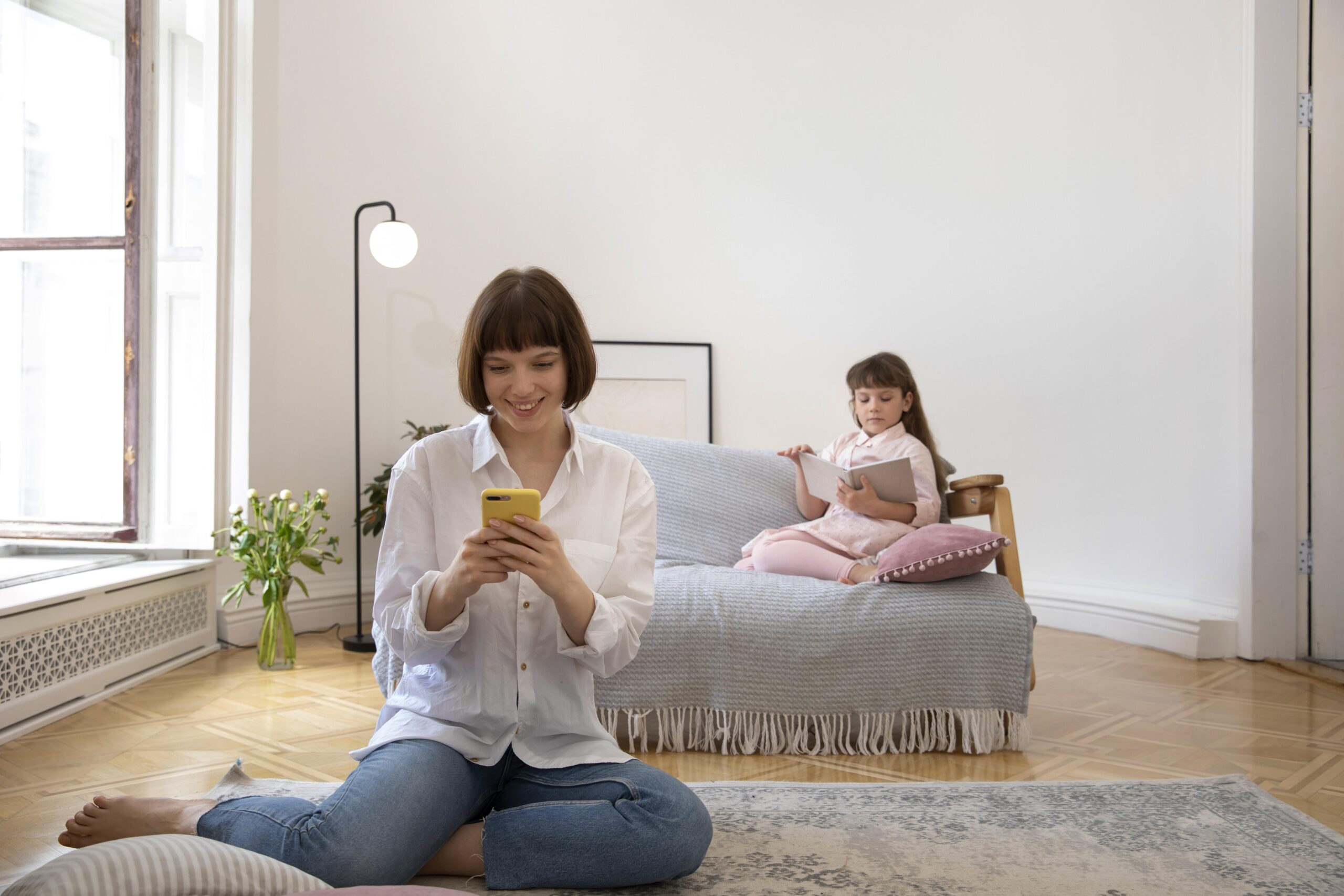
Well, being there for your kids is great, but not always. In contemporary times, young parents tend to rescue their children too quickly. When a child is in misery or has done something wrong, parents try to intervene and sort it out too quickly. Due to this overindulgence in a child’s life, we as parents don’t provide them the opportunities to try their skills. It keeps them away from hardships, and therefore they do not know how to solve problems themselves.
3. Failure in Modeling:
Children learn more from observation than from preaching. Imbibing qualities that a leader needs is immensely crucial right from childhood. Being honest, firm, and confident are some of these. Parents must try to practice these in life so the children can pick up on them. Practice what you preach; that is a quality in itself that significantly impacts Personality Development.
Read: How to make your child a better observer?
4. Keeping them away from life lessons:
As parents, we feel our children should not know about our mistakes, our struggles, or even our failures. The past experiences that you, as parents, have can be very relevant and need to be shared with our kids to help them navigate the difficult phases. That is how development takes place.
Know about out Leadership Course for Kids
Conclusion:
While it is very important to provide a secure base for our children, it does not mean solving the problem for them. Children must be assured that you will be there for them in the journey while they try to solve their problems by themselves. This will not only build resilience in them but they will develop a sound sense of self and have a good self-esteem.
Leadership for Kids: Personal Coaching by CueKids
What it is: One-on-one coaching designed to fast-track leadership and people skills in kids, tailored to each child’s strengths and goals.
Who it’s for: Young achievers looking to become more visible leaders, and kids who want to sharpen specific skills like communication, confidence, and emotional intelligence as part of their broader personality development.
What it covers:
- Communicating with clarity and confidence in group settings
- Reading body language and social cues to lead more effectively
- Building emotional intelligence to connect with and motivate peers
- Applying leadership skills in real-world situations like group projects and teamwork
Format: Individual coaching sessions, scheduled around the child’s needs
How to start: Book a free trial, or contact CueKids directly at +91 70455 40534.
Group courses focused on personality development are also available for kids who prefer to build these skills alongside peers.
FAQ’s
When children are allowed to try, fall, and try again, they learn resilience. Small failures teach them effort, patience, and courage. Over time, this builds real confidence the kind that comes from experience, not praise.
When children solve problems on their own, they discover their own abilities. If we always rescue them, they may doubt themselves when facing challenges alone. Giving them space to think builds independence and stronger decision-making skills.
Children copy what they see more than what they hear. When they observe honesty, calmness, and confidence at home, they begin to practise the same qualities. This shapes their personality development in a very natural and lasting way.
Yes. Sharing your struggles shows them that setbacks are normal and temporary. It makes them less afraid of failure and more open to learning from it. That mindset stays with them into adulthood.
Children who experience responsibility, small risks, and real life lessons grow into adults who can handle pressure and uncertainty. They trust themselves, adapt more easily, and step forward when needed. That quiet inner strength is what truly supports long-term success and happiness.




Leave A Comment