

Summary
Why is having fun while learning?
Before I talk about this, let’s talk about birthday parties or party events in general. Do you remember your childhood birthday parties? What memories does it bring back to you? I have certainly had a few such as a Barbie-themed party wherein the cake was shaped like a doll. The pool-themed birthday and apart from this all my society friends were invited and we would dance and play the good old games like dumb charades, who is able to burst any balloons in a minute, some sort of fashion show, etc. And these are some of my best memories.
While I was researching if birthday parties hold any significance in a child’s development, I stumbled upon some amazing facts found by Dr. Woolley that indeed it does have importance. Not in a way that the party should be grand and sophisticated and only then will it benefit the child. However, just celebrating counts and so the advantages include that it raises the child’s self-esteem as it makes them feel loved and that they are important to their parents.
This also helps in creating positive memories in both conscious and unconscious ways; it strengthens family bonds and establishes social relationships because the sense of being together to celebrate something matters and that through these parties’ children relate to feelings of kindness and companionship. Moreover, by celebrating children’s emotional needs are valued and that’s when they feel loved because there is warmth in that sort of environment in which the child will feel safe, included, and respected.
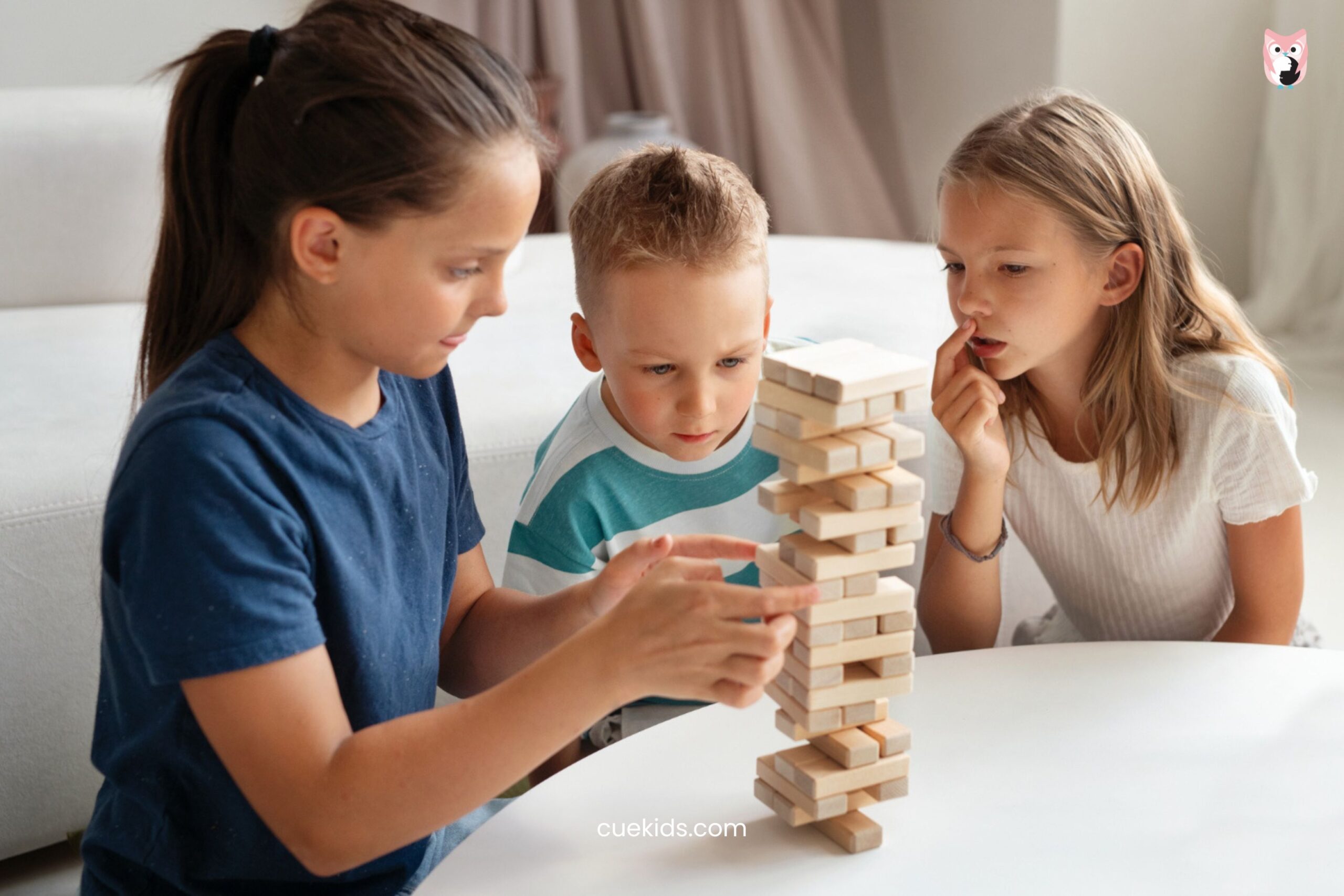
You must be wondering why I am talking about the importance of birthday parties. That is because birthday parties involve some sort of themes and games and let’s think what if these themed birthday parties have some games that teach children certain skills? Sounds interesting, right? Studies have shown that there is a great way to give children some meaningful opportunities to make their learning fun and interesting. When such interactive activities or games are used that make their learning engaging and fun, children will be more willing to participate. Additionally, they’ll be able to retain information in a better way as the whole process becomes memorable and enjoyable.
Thus, we at CueKids have combined these two beautiful things i.e., themed birthday parties with teaching concepts like communication skills, social skills, emotional skills, critical thinking, body language, etc. in a fun way through amazing interactive games or activities.
Be sure to check out our party events and watch for yourself.
Build Well-Rounded Skills with CueKids
What it is: Ongoing, activity-based group courses designed to build the skills kids need most at this age, through real-world practice, not lectures.
Who it’s for: Children looking to grow into confident, capable, well-rounded individuals, alongside peers in a supportive group setting.
What it covers:
- Confidence: speaking up, trying new things, and handling setbacks without shrinking back
- Communication: expressing themselves clearly and connecting with people across different situations
- Collaboration: working well with others, sharing ideas, and handling disagreements as part of a team
- Compassion: understanding what others are feeling and responding with empathy, not just awareness
- Creativity: thinking beyond the obvious answer and approaching problems in their own way
Format: Available as ongoing group courses – online, or offline at your nearest CueKids franchise center.
How to start: Book a free trial, or contact CueKids directly at +91 70455 40534.
Personalised 1:1 coaching is also available for kids with specific requirements.
FAQ’s
When children enjoy what they’re doing, they naturally participate more and remember more. Fun experiences create strong, positive memories, which help lessons stay with them longer. Learning stops feeling like pressure and starts feeling like discovery.
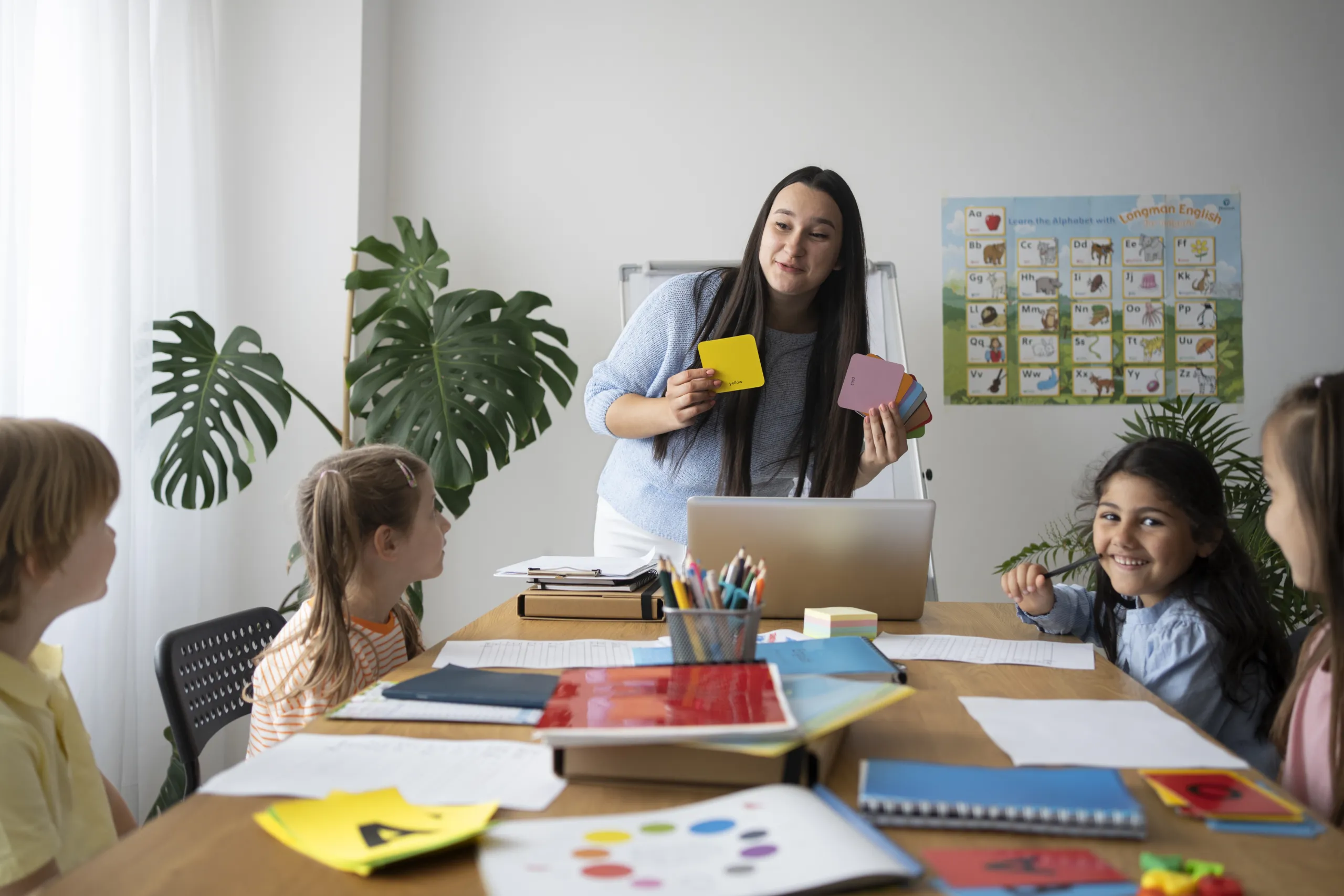
Themes spark imagination and curiosity. When children learn through games and role-play, they practice communication, teamwork and problem-solving without even realising it. These skills slowly become part of how they think and interact every day.
Yes, because children feel valued and included in a warm, playful environment. When they speak up, participate and are celebrated, their self belief grows naturally. Over time, this confidence shows up in school, friendships and new situations.
Interactive games teach children how to express themselves, understand others and work together. They learn kindness, empathy and cooperation through experience, not lectures. These early habits shape healthier relationships in the long run.
Not at all. Play is one of the most powerful ways children learn. When skills like communication, body language and critical thinking are woven into enjoyable activities, children absorb them deeply and carry them forward for life.




Leave A Comment