
Summary
What is self-esteem?
In psychology, the term self-esteem is used to describe a person’s overall subjective sense of personal worth or value. In other words, self-esteem may be defined as how much you appreciate and like yourself regardless of the circumstances. Your self-esteem is defined by many factors including Self-confidence, the feeling of security, identity, a sense of belonging, feeling of competence. Read more about boosting your self-esteem and your Child’s self-esteem.
Why Self-Esteem Is Important?
Self-esteem impacts your decision-making process, your relationships, your emotional health, and your overall well-being. It also influences motivation, as people with a healthy, positive view of themselves understand their potential and may feel inspired to take on new challenges. It supports your body language and helps you communicate well.
How do people with healthy self-esteem look?
- They have a firm understanding of their skills.
- They are able to maintain healthy relationships with others because they have a healthy relationship with themselves.
- They have realistic and appropriate expectations of themselves and their abilities.
- They understand their needs and are able to express them.
- They have proper posture and exhibit strong non-verbal cues.
What will happen in the event?
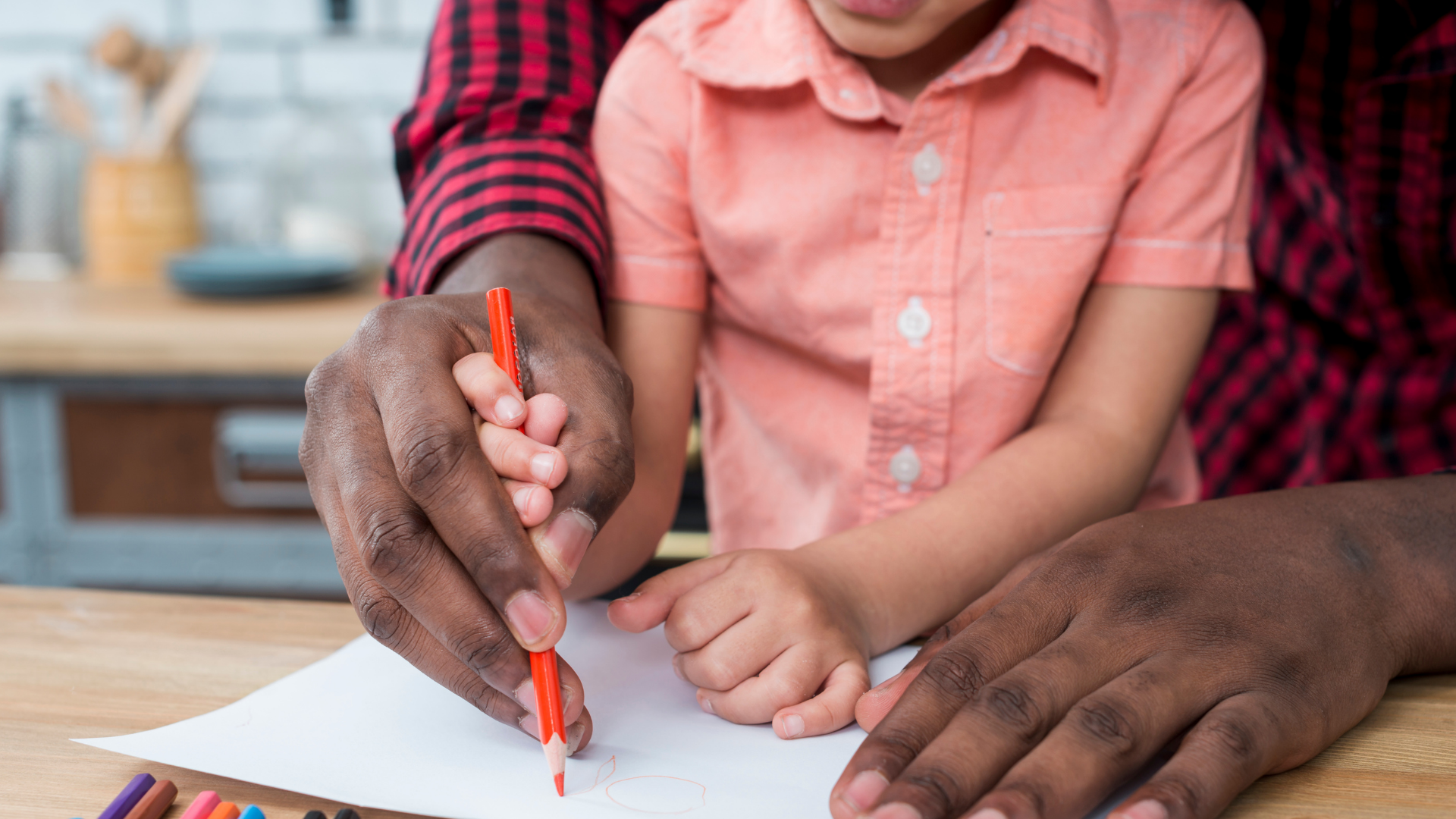
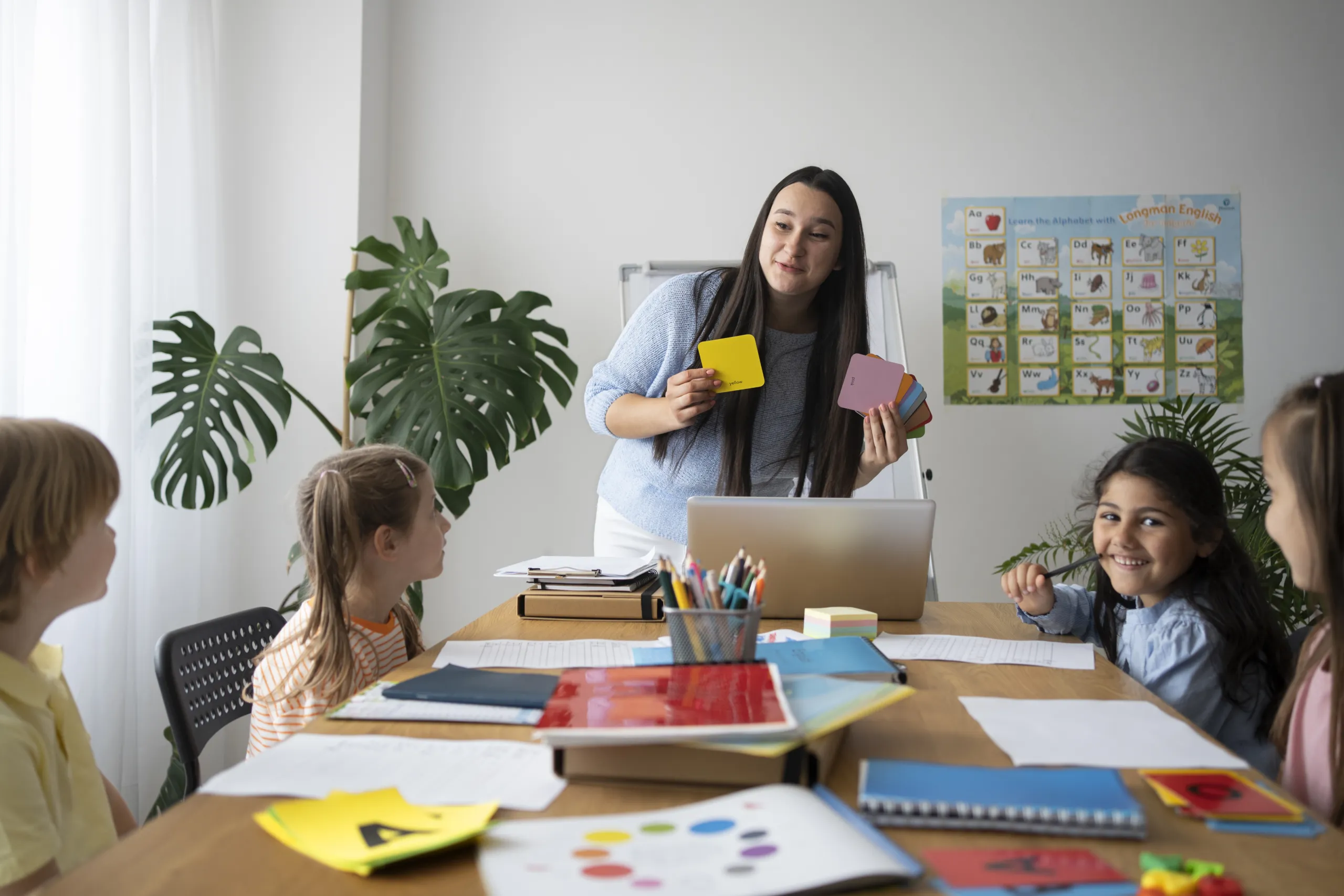
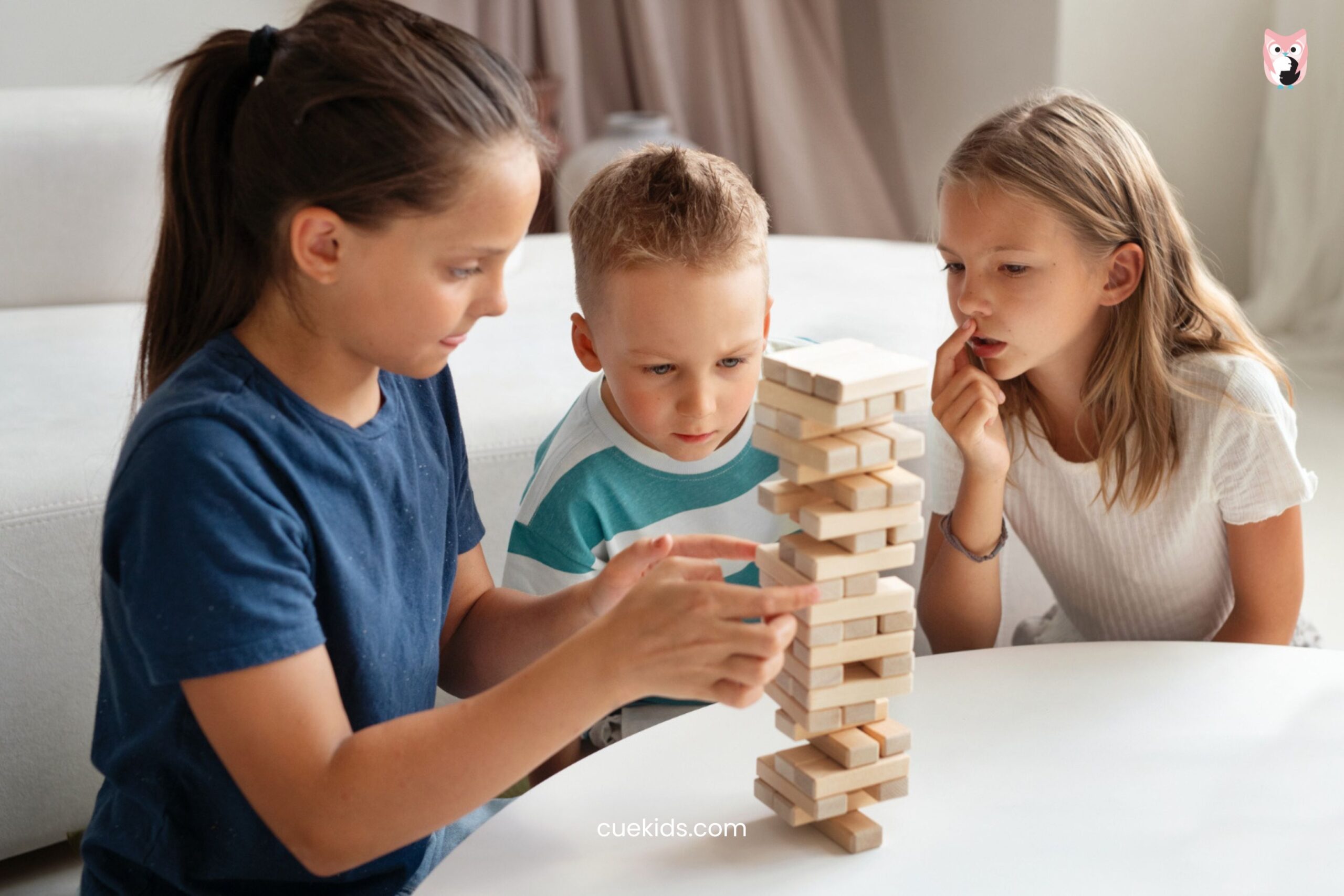
In our sessions, we will be doing lots of activities so that you and your children can bond with each other and explore how boosting your self-esteem can help your family become stronger. You will also discover how each of you can improve your social skills. Since this session will be activity-based, both you and your child will be getting a chance to participate in these activities. As always, the unique way in which CueKids approaches this concept would be by analyzing body language and teaching you how to do the same in easy-to-follow simple steps.
What are the takeaways of the session?
While the biggest takeaway would be the bond you make with your child, the artworks and assignments will also be your treasure. We assure you that! Apart from that the experience of how rewarding it is to spend quality time with your family and children would be unparalleled.
Why Self-Esteem Is Important?
Self-esteem impacts your decision-making process, your relationships, your emotional health, and your overall well-being. It also influences motivation, as people with a healthy, positive view of themselves understand their potential and may feel inspired to take on new challenges.
How do people with healthy self-esteem look?
- They have a firm understanding of their skills.
- They are able to maintain healthy relationships with others because they have a healthy relationship with themselves.
- They have realistic and appropriate expectations of themselves and their abilities.
- They understand their needs and are able to express them.
Know more about our Parent – Child Bonding sessions
Healthy self-esteem helps children trust their abilities and handle everyday challenges with confidence. When children believe in themselves, they are more willing to try new things, express their ideas, and build positive relationships with others. Over time, this confidence supports better decision-making and emotional balance.
Children who feel good about themselves naturally communicate with more clarity and confidence. Their posture, eye contact, and overall body language become stronger, which helps them express their thoughts more comfortably. This often makes social interactions at school and in daily life easier and more positive.
Children with healthy self-esteem usually understand their strengths and accept their limitations. They are able to express their needs, set realistic expectations for themselves, and interact comfortably with others. They also tend to show confident body language and a sense of calm in social situations.
When parents and children participate in activities together, it creates a safe space for children to explore their abilities. They feel supported, heard, and encouraged to express themselves. These moments not only build confidence but also deepen the bond between parent and child.
Understanding body language helps children become more aware of how they present themselves and how others communicate. When children learn simple ways to improve posture, eye contact, and expression, they often feel more confident in social situations. This awareness gradually strengthens both their communication skills and self-belief.




Leave A Comment